Industry Insights

Wine for
Servers

You don't need to be a sommelier to sell wine with confidence. You just need the right foundation.

Why It Matters

Wine education in the restaurant industry often feels incomplete. Information usually comes in the form of random, out-of-context nuggets from a manager, wine rep, or a 30-minute training session.

It is like being given a random piece to a jigsaw puzzle without getting to see the image on the box. You slowly collect more pieces without understanding how to use them or where they fit into the bigger picture.

This section will provide that missing picture. We will connect the dots, explain the fundamentals in a practical way, and give you the knowledge you need to confidently recommend wines and perform wine service tableside.
The best servers don't just serve wine, they guide the experience.

Viticulture

Let's start at the beginning of the process, in the vineyard. Viticulture refers to all of the decisions that are made within the vineyard. This includes things like which varieties are planted where, grape yields, spacing between vines, irrigation, and more.

Climate

Climate is the long term pattern of weather in a particular area. It is averaged out over many years and is generally considered constant. Climate plays an important role in the ripening of grapes. As grapes ripen, their acidity levels fall and their sugar levels rise. More sunlight and heat generally lead to riper grapes.

Cool climates

Cool climates cause grapes to ripen more slowly, produce less sugar (which translates to lower potential alcohol levels), retain higher acidity, and produce more tart flavors.

Warm climates

Warmer climates generally allow grapes to ripen more fully, produce more sugar (which translates to higher potential alcohol levels), retain less acidity, and more lush and juicy fruit notes.

Vinification

Refers to everything that happens after the grapes have been harvested that influence the final wine. This includes pre-fermentation practices, fermentation itself, types of winemaking (as in red, white, rosé, sparkling, sweet, and fortified wines), types of fermentation vessels used, aging, bottling, and the final packaging.

Basics of Wine

These are some fundamentals of wine that are useful to know. Understanding these concepts will help build a framework and connect a lot of the dots that make learning about wine easier to understand.

This is by no means an exhaustive list but rather a starting place to help give you a broader understanding and insight into the world of wine. These topics have been distilled down to the information most relevant to servers.

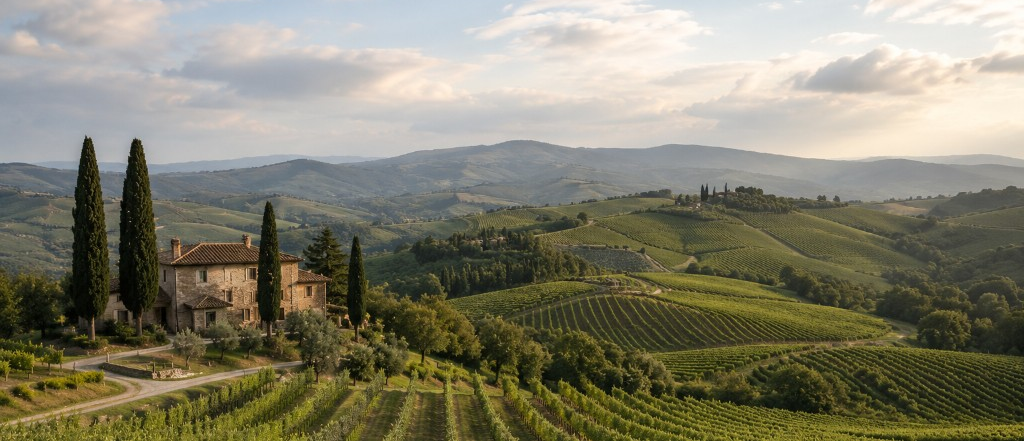
Tuscan vineyard landscape with stone villa and cypress trees
Wine for Servers: Sell and Serve with Confidence